
Vibration Monitoring
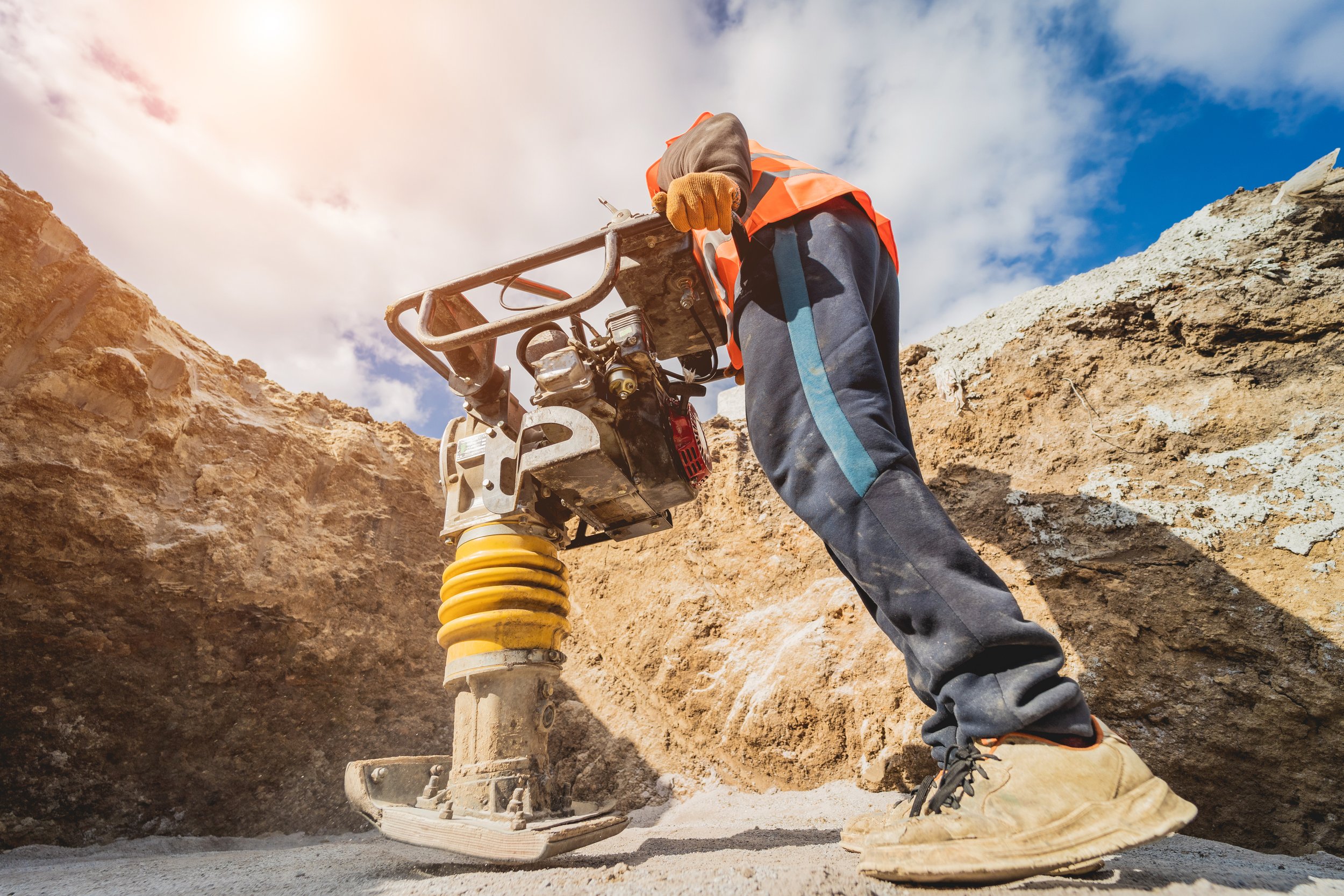
Verum Group specialised personal exposure monitoring services for Whole Body Vibration (WBV) and Hand-Arm Vibration (HAV), available NZ-wide. Prolonged exposure to harmful vibrations can lead to serious health issues, including musculoskeletal disorders, vascular disorders, and nerve damage. WBV typically affects operators of heavy machinery, while HAV impacts users of hand-held power tools.
Our personal vibration monitoring procedure involves equipping employees with advanced sensors during their shifts to capture detailed data on WBV and’/or HAV exposure levels. This data is then compared to workplace standards, enabling Verum Group to recommend effective control measures and personal protective equipment.
Contact Us for More Information:
National Environmental and Occupational Hygiene Manager William Porter (Billy)
Email: w.porter@verumgroup.co.nz
FAQ’s
-
Hand-arm vibration is measured using specialised vibration meters attached to tools or equipment to determine the vibration transmitted to a worker’s hands and arms during use.
-
Exposure limits are based on international guidelines that set maximum daily vibration exposure levels to reduce the risk of injury.
-
Vibration monitoring helps identify high-risk tools and tasks, supports compliance with health and safety requirements, and reduces the risk of conditions such as Hand-Arm Vibration Syndrome (HAVS).
-
Whole body vibration occurs when vibration from equipment or vehicles is transmitted through the seat or floor to a worker’s body. It commonly affects operators of machinery such as trucks, loaders, excavators, forklifts, and agricultural equipment.
-
Whole body vibration is measured using specialised vibration meters placed on the seat or floor of equipment while it is being operated. The measurements are then assessed against recognised exposure guidelines.
-
Long-term exposure to whole body vibration can contribute to lower back pain, fatigue, spinal disorders, and other musculoskeletal problems.
-
Monitoring is recommended when workers regularly operate vibrating equipment or vehicles, particularly if they spend long periods driving or operating machinery.
-
Monitoring helps identify high vibration exposures so businesses can improve equipment selection, maintenance, seating, and work practices to reduce risks to workers.