
Area Noise Monitoring
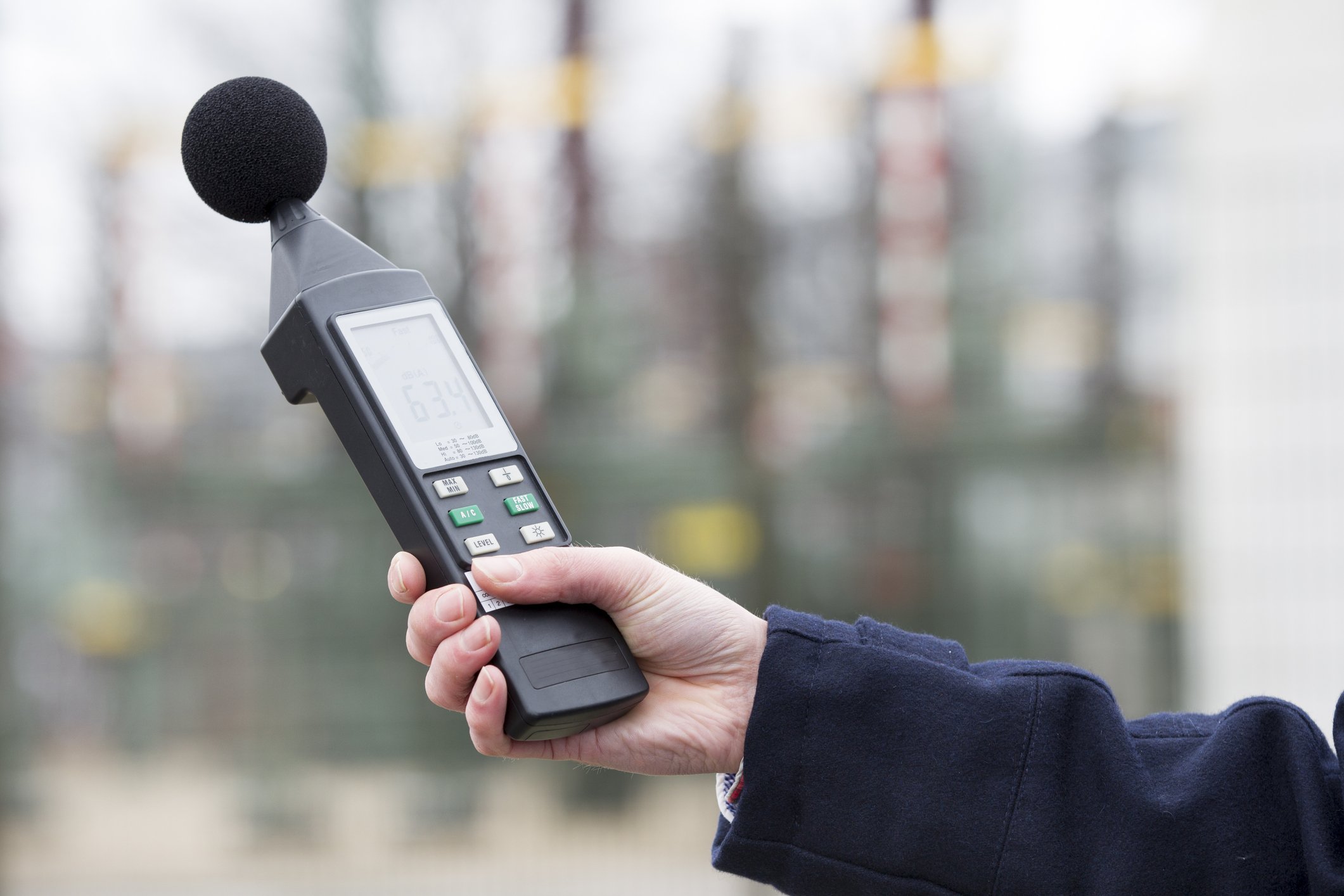
Ensure workplace health and safety with our area noise monitoring services nationwide. Our advanced noise monitoring devices provide accurate, real-time data on noise levels across various work environments, helping you identify and mitigate exposure to harmful sound levels in industrial, environmental and commercial settings.
Noise-induced hearing loss (NIHL) is permanent but can be prevented. Our area noise monitoring service involves measuring the workplace noise throughout the workplace to build a picture of the noise levels at different point of the workplace. The collected data is then compared to workplace exposure standards, allowing us to advise on the appropriate measures required to protect your staff.
Contact Us for More Information:
National Environmental and Occupational Hygiene Manager William Porter (Billy):
Email: w.porter@verumgroup.co.nz
FAQ’s
-
Area noise monitoring measures sound levels at specific locations on a site using a sound level meter. These measurements provide a snapshot of noise levels in particular areas, around equipment, or at site boundaries.
It is typically used to identify noisy processes or machinery, map noise across a site, and assess compliance with environmental or consent limits.
-
Noise monitoring should be conducted when new equipment or processes are introduced, when workplace conditions change, or as part of periodic health and safety reviews to ensure noise levels remain controlled.
-
Yes. Noise monitoring identifies high-noise areas so employers can implement controls such as engineering solutions, administrative controls, or hearing protection to reduce the risk of hearing loss.
-
In New Zealand, the workplace exposure standard for noise is 85 dB LAeq over an 8-hour workday, with a 140 dB peak limit. Levels above this require hearing protection and noise management controls. An action level of 80 dB LAeq is also recognised, meaning steps should be taken to assess and reduce noise exposure before it reaches harmful levels. As a general rule, the lower the noise exposure, the better for protecting long-term hearing health.